
Emerging Destinations: Navigating Challenges and Risks
Tourism in emerging markets is often exposed to greater vulnerabilities. Therefore, if a destination relies too much on tourism and doesn't manage these challenges, it can suffer big losses. That's why those destinations should be prepared and adaptable when facing challenges.

In this post, you will read about how emerging destinations are navigating challenges and risks
Challenges & Risks – and Their Managerial Solutions
Case Study: Indonesia's recovery from COVID-19
1. Challenges & Risks – and Their Managerial Solutions
One challenge emerging destinations face is related to the infrastructure gap, such as inadequate roads (Mahesar, 2024).
Those destinations can make public-private partnerships, or use foreign direct investment (FDI) to create collaborative infrastructure with local authorities. This can be done through the examinations of its infrastructure reports. By using instruments such as the Logistics Performance Index (LPI) stakeholders can assess the nation's ranking on transportation and infrastructure and see what should they improve on.
Another challenge faced by emerging markets is political instability. This instability can scare away visitors, and investors, and make long-term tourism planning difficult. Moreover, small tourism businesses often can't get loans to improve their operations. However, they can seek support from Development Finance institutions or even look for alternative financing (e.g. partnerships with NGOs).
Also, most emerging destinations suffer from workforce skills deficiency. Therefore, locals aren't trained for the required skills for specific industries (e.g. hospitality, hotels). However, that can influence the destination's reputation. Investing in training programs or collaborating with local educational institutions might be a good solution to foster local economic growth.
Moreover, those destinations are relying significantly on natural resources. Therefore, destination managers and the local government can consult the Environmental Performance Index (EPI) to evaluate a country's environmental resources and sustainability management. In addition, to avoid unsustainable practices, destinations might look to adopt green certifications, support waste & water management systems, educate tourists, and also implement visitor limits.
2. Case Study: Indonesia's recovery from COVID-19
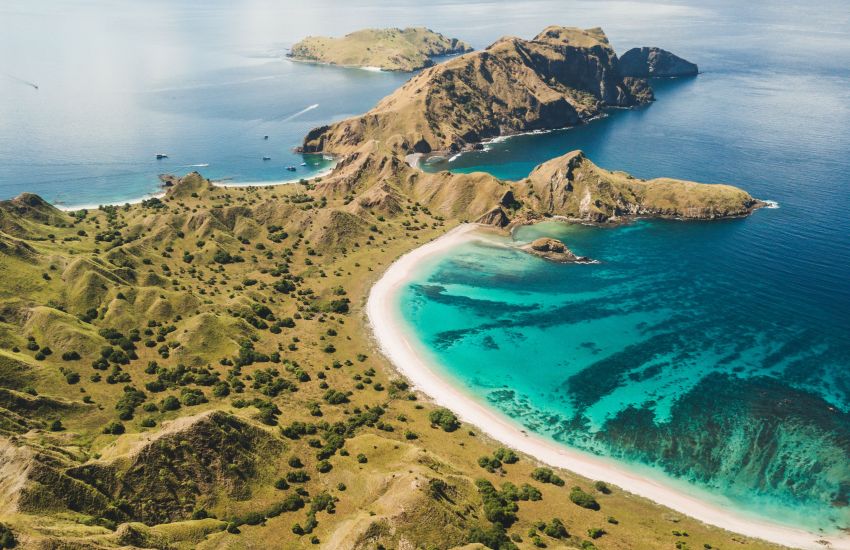
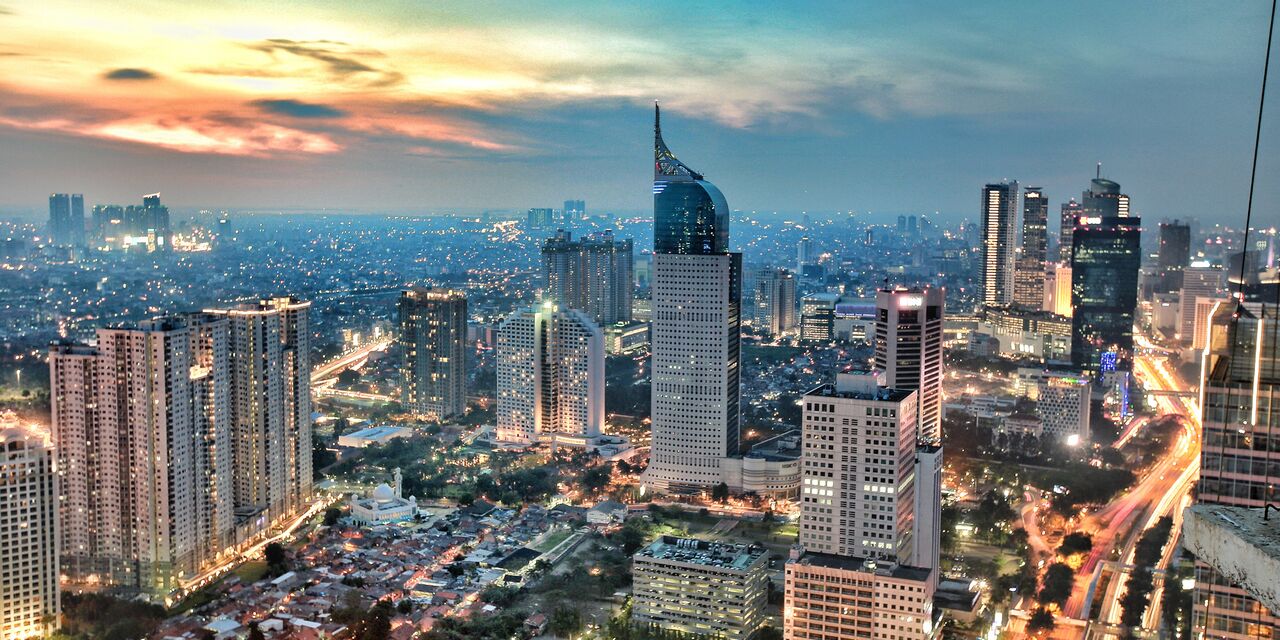
Due to the COVID-19 pandemic, the tourism industry has been highly impacted by travel restrictions and temporary closures of tourist destinations.
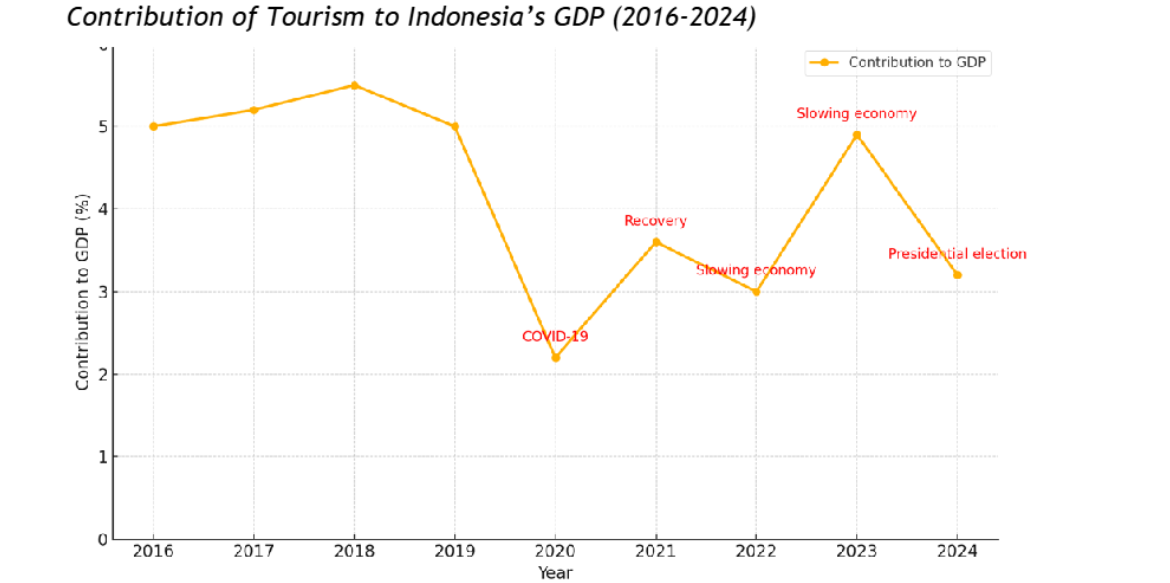
In 2020, the Indonesian tourism industry lost about 7.3 billion dollars (Mahadewi et al., 2024) due to the pandemic. However, the country has adopted several strategies and policies to recover from COVID-19, restoring the tourism industry and encouraging growth (Khairullah et al., 2023).
First, the Indonesian government committed to mass vaccination of the population, including those working in the tourism sector.
Additionally, the government focused on restoring tourist trust through communication and education efforts, ensuring tourists feel safe when visiting the country. Moreover, they provided clear information about how health and safety protocols were implemented in tourist destinations.
Furthermore, the government promoted domestic tourism. Since tourism was the biggest source of economic growth of the country, influencing the Indonesian people to explore their own domestic destinations allowed for economic recovery.
Moreover, the government controlled carefully the border opening, allowing limited visits from different safe countries.
In addition, the government collaborated with the tourism industry (e.g. hotels, and airlines) to develop a joint recovery strategy, such as developing special tour packages and attractive promotions.
They also invested in tourism infrastructure to improve accessibility to major tourism destinations.
Also, they supported tourism product diversification such as ecotourism, and cultural tourism, which helped to attract different types of tourists.
Lastly, they improved the use of digital technology in order to facilitate online bookings, digital payments, and monitoring of traveler health.
Overall, the indonesian government implemented strategies that helped tourism to recover from the pandemic. Nowadays, the government is working to improve emergency capabilities, and planning to deal with similar situations.
References:
Mahesar, J. (2024, November 14). Challenges to growth in emerging economies: Solutions and strategies for market entry. Forbes Finance Council. https://www.forbes.com/councils/forbesfinancecouncil/2024/11/14/challenges-to-growth-in-emerging-economies-solutions-and-strategies-for-market-entry/
Mahadewi, N. M. E., Utama, I. P., Widana, I. B. A., & Arcana, I. N. (2024). Charting Bali's sustainable tourism future post-COVID-19: Key interactions and mediating factors. Journal of Sustainable Tourism Management, 2024, 159. https://doi.org/10.69888/FTSML.2024.000159
Khairullah, M. N., Irdiana, S., & Darmawan, K. (2023). Post Pandemi Covid-19 Tourism Recovery Efforts. Progress Conference, 6(1), 111–116. https://proceedings.itbwigalumajang.ac.id/index.php/progress/article/view/570
Author
Nina Marmelo