
Sustainable Tourism in Emerging Destinations
Almost no other industry is developing as dynamically as tourism. Thus, due to the increasing mobility of the population, tourism-related demand has grown quickly in the past years (Partale & Partale, 2019). Therefore, effective management is required, managing destinations is essential in making tourism beneficial and sustainable.
In this post, you will read about Sustainable Tourism in Emerging Destinations
Sustainable Tourism
Case Study: Bonito a leading sustainable tourism destination

1. Sustainable Tourism
Effective tourism development requires target-oriented management. This involves focusing on improving sustainability, enhancing the local economy, preserving cultural heritage, and increasing visitor numbers, among other objectives. Moreover, when planning or implementing tourism activities in a destination, it is essential to prioritize long-term benefits for the environment and local communities over short-term profits or unsustainable practices that harm the environment. Indeed, using sustainable goals as a standard ensures that tourism development aligns with sustainable principles.
According to the UNWTO, sustainable tourism is defined as "tourism that takes full account of its current and future economic, social, and environmental impacts, addressing the needs of visitors, the industry, the environment, and host communities". Additionally, there are more and more tourists who value sustainable activities when visiting a destination.
It is important to notice that the term ecotourism is growing in use by tourism organizations, seen as "responsible tourism". According to The International Ecotourism Society (TIES), ecotourism is defined as "responsible travel to natural areas that conserves the environment, sustains the well-being of the local people, and involves interpretation and education". In ecotourism, the responsibility lies with both travelers and tourism agencies to preserve and sustain culture and the natural environment (Hussain, 2022).
However, for an activity to be qualified as ecotourism, it must follow several exigences, including:
- Benefiting the wildlife environment where the priority will be the environment
- Involving local communities familiarized with tourism so they can evaluate the resources of their local and benefit from it
- Educating and raising awareness among visitors about cultural and ecosystem preservation
- Prohibiting the degradation of resources
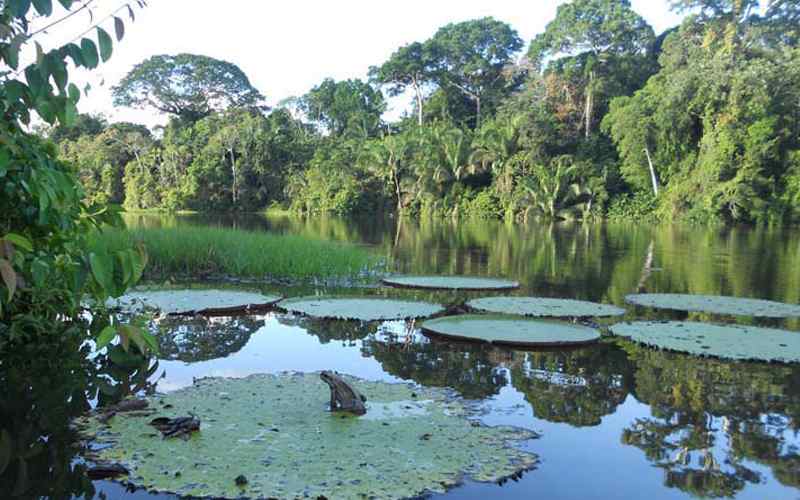

Due to the willingness to encourage tourism destinations to promote Sustainable Tourism Development (STD) in 2005, the United Nations World Tourism Organization (UNWTO) together with the United Nations Environment Program (UNEP) have set goals to implement this. These goals were set referring to the economic viability, local prosperity and employment quality.
Moreover in September 2015, the Sustainable Development Goals (SDGs) were adopted by all United Nations Member States as part of the 2030 Agenda for Sustainable Development.

Tourism plays a significant role in achieving these goals, such as
By aligning tourism strategies with the SDGs, destinations, especially in emerging markets, can ensure long-term sustainability while maximizing socio-economic benefits.
2. Case Study: Bonito a leading sustainable tourism destination

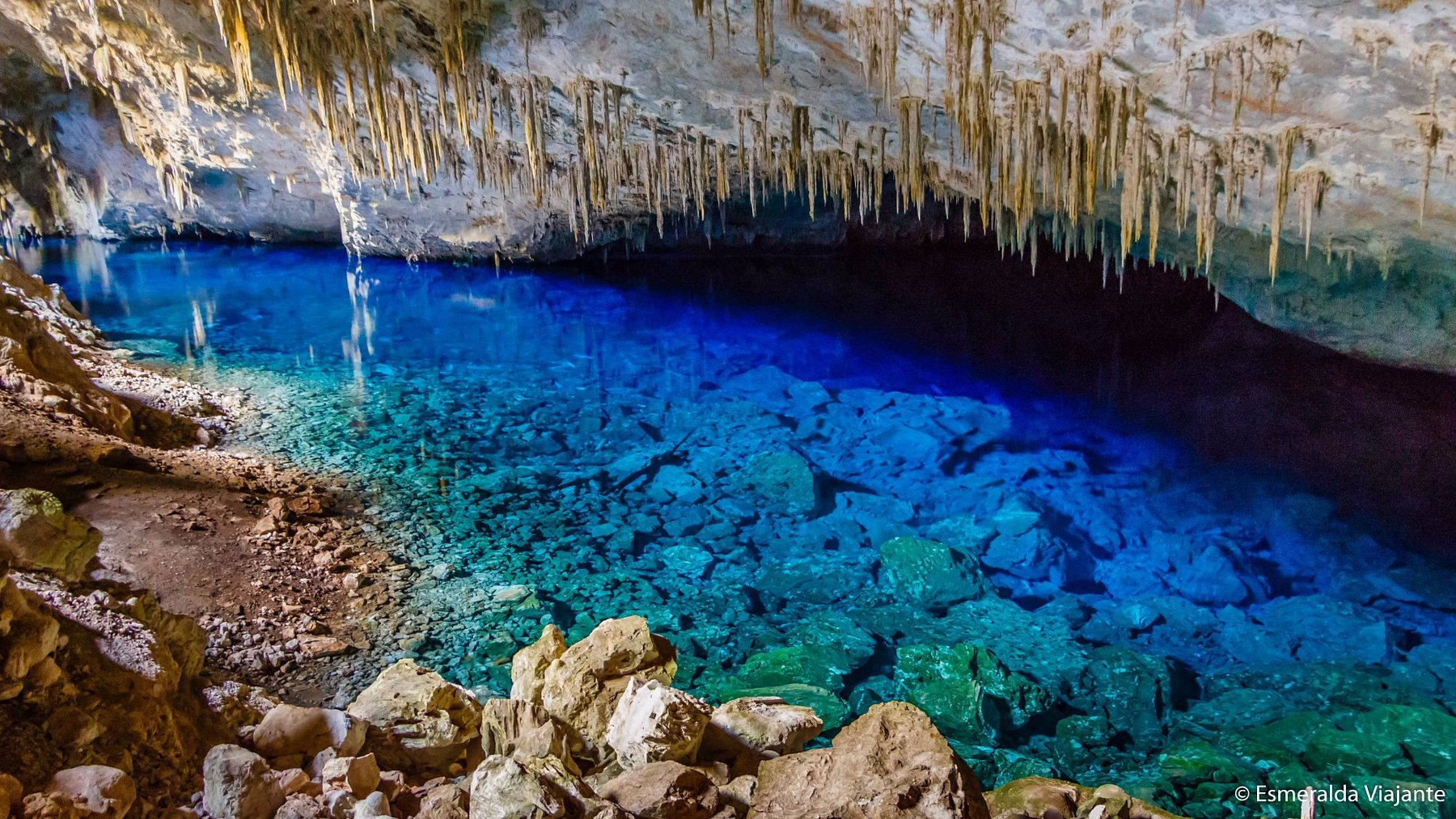
One successful destination, recognized for its sustainable tourism, is Bonito, located in Mato Grosso do Sul, Brazil. This destination is known worldwide for its sustainable practices and ecotourism, promoting environmental conservation (Garcia, n.d.).
One of the strategies implemented in this destination is the system of its visitor quota system, which was created to control the number of visitors and reduce any environmental negative impact. There, each tourist receives a unique digital voucher that indicates the attractions they will want to visit as well as the date; helping to control the fluctuation of people, and avoiding overcrowding. Moreover, it is easier to monitor efficiently the environmental impact to mitigate any damage. Therefore, by limiting the number of visitors, each tourist will have an experience of great quality.
Also, in 2013, the destination won the WTN Global Responsible Tourism Award. Furthermore, Bonito was the first destination of ecotourism to receive a certificate of destination of ecotourism-neutral carbon, since its practices to reduce greenhouse gas emissions worked (Green Initiative, 2023). The carbon-neutral certification process led by the Green initiative, was initiated with the signing of the Glasgow Declaration by FUNDTUR, in coordination with the Bonito municipal government and the state secretarias for the environment, tourism, and economic development.
However, the carbon-neutral certification requires the destination's carbon emissions still to fall by 45% by 2030 and reach net zero by 2050, following the Paris Agreement guidelines.
Moreover, beyond environmental benefits, sustainable tourism practices allowed for job creation for local communities, economic development, and cultural preservation
Eco-friendly activities to do at Bonito, Mato Grosso do Sul (Brazil)



References:
UNWTO. (n.d). Sustainable development. https://www.unwto.org/sustainable-development.
TIES. (n.d). What is Ecotourism? https://ecotourism.org/what-is-ecotourism/
Hussain, I. (2022). An overview of ecotourism. ICRRD Quality Index Research Journal, 122-128. doi.org/10.53272/icrrd
Garcia, L. (n.d.). Destinos de Turismo Sustentável no Brasil: O Modelo de Bonito, MS. https://www.acquaviagens.com.br/blog/destinos-turismo-sustentavel-brasil/379/
Green Initiative. (2023, January 20). Bonito: How a Brazilian ecotourism destination is leading climate action by example .https://greeninitiative.eco/2023/01/20/bonito-how-a-brazilian-ecotourism-destination-is-leading-climate-action-by-example/
Author
Nina Marmelo